

Automotive

Master Data Architecture in the Automotive Industry: Core Features & Structural Integration
SAP Master Data Governance for Automotive Enterprises
In the automotive industry, consistent and governed master data is a prerequisite for stable production processes, compliant supply chains, and reliable reporting across global operations. SAP Master Data Governance (MDG) provides a standardized framework to centrally control and harmonize critical master data objects such as business partners, materials, plants, and financial data within SAP landscapes.
Automotive OEMs and suppliers use SAP Master Data Governance (MDG) to manage complex data structures across multiple production sites, brands, and regions while supporting just-in-time manufacturing, variant configuration, and supplier collaboration. By enforcing rule-based validation and workflow-driven approvals, SAP MDG reduces data inconsistencies that can directly impact production planning, logistics, and quality management.
FORTE4 supports automotive enterprises with the design and implementation of SAP MDG solutions aligned with SAP S/4HANA programs, enabling scalable governance models that integrate seamlessly with existing SAP systems and operational processes.

In the automotive industry, the supply chain operates as a multi-tiered ecosystem comprising raw material procurement, global automotive production networks, logistics hubs, and aftermarket service channels. This complexity demands rigorous structuring of automotive supply chain processes, including:
Supplier Collaboration Frameworks: Digital portals for automotive supplier order tracking, quality documentation exchange, and compliance auditing.
Quality Control Mechanisms: Automated defect detection workflows tied to automotive standards like IATF 16949 and ISO 9001.
Demand Forecasting Systems: Automotive-specific algorithm-driven models integrating historical sales data, market trends, and production capacity analytics.
Just-in-Time (JIT) Inventory Protocols: Real-time synchronization of automotive component deliveries with assembly line schedules.

Automotive Master Data as the Structural Foundation

Automotive Supplier Master Data

Unified vendor hierarchies, lead times for Tier 1-3 suppliers, and certifications (e.g., IATF 16949, REACH compliance).
Automotive Parts Master Data
Material specifications (e.g., tensile strength for chassis components, thermal tolerances for engine parts), SKUs, and cross-referenced OEM/aftermarket identifiers.
CAD-driven classifications (e.g., powertrain modules, ADAS [Advanced Driver Assistance Systems] components).
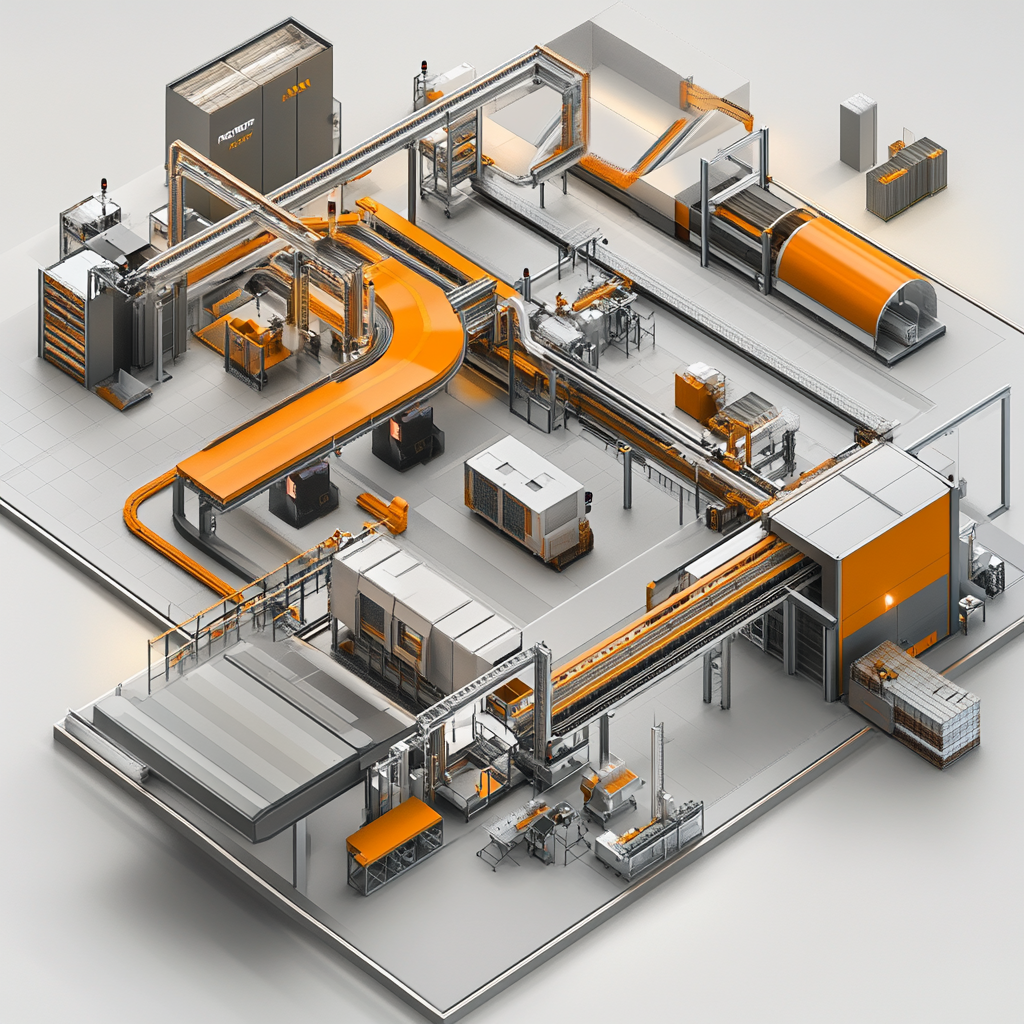
Automotive Production Workflow Data

Machine-specific routing sequences, cycle times for welding/assembly robots, and calibration parameters for paint shop systems.
Automotive BOMs (Bills of Materials)
Machine-specific routing sequences, cycle times for welding/assembly robots, and calibration parameters for paint shop systems.
Centralized Automotive Data Models

Preconfigured SAP MDG templates for automotive-specific entities (e.g., VIN [Vehicle Identification Number] structures, warranty codes, emissions profiles).
Technical Integration with Automotive SAP Master Data Govenrance (MDG) , S/4HANA & SAP ARIBA Supplier Lifecycle and Performance (SLP)

Cross System Harmonization

APIs linking automotive master data to MES (Manufacturing Execution Systems), IoT-enabled production lines, and dealer management platforms.
Automotive Governance Protocols

Rule-based validation for part numbering (e.g., VDA 4900 standards), BOM revisions, and supplier onboarding workflows.